Carnosine Research
The Importance of Carnosine
Carnosine is a naturally occurring dipeptide composed of the amino acids L-histidine and beta-alanine, belonging to a family of histidyl dipeptides. Carnosine concentrations in both muscle and brain tissue decline with age, beginning as early as the third decade of life. This reduction has been associated with changes in physiological functions such as muscle performance, cellular buffering capacity, and aspects of cognitive function.
Beta-alanine is widely recognized as a rate-limiting precursor for carnosine synthesis and has been studied for its role in supporting muscle carnosine levels. Due to its biochemical properties, carnosine has been extensively investigated in relation to antioxidant activity, acid–base regulation, and cellular stress response.
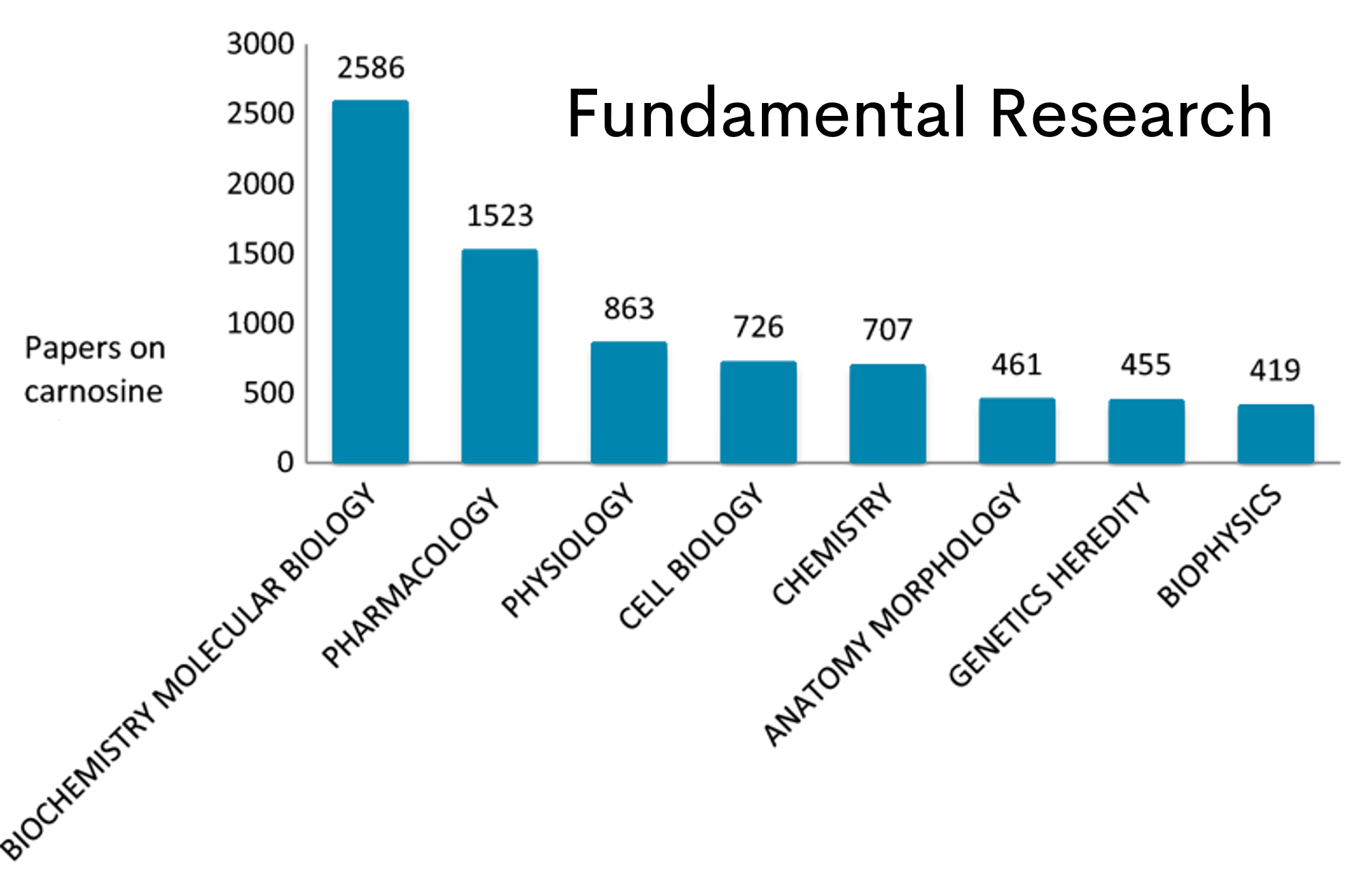
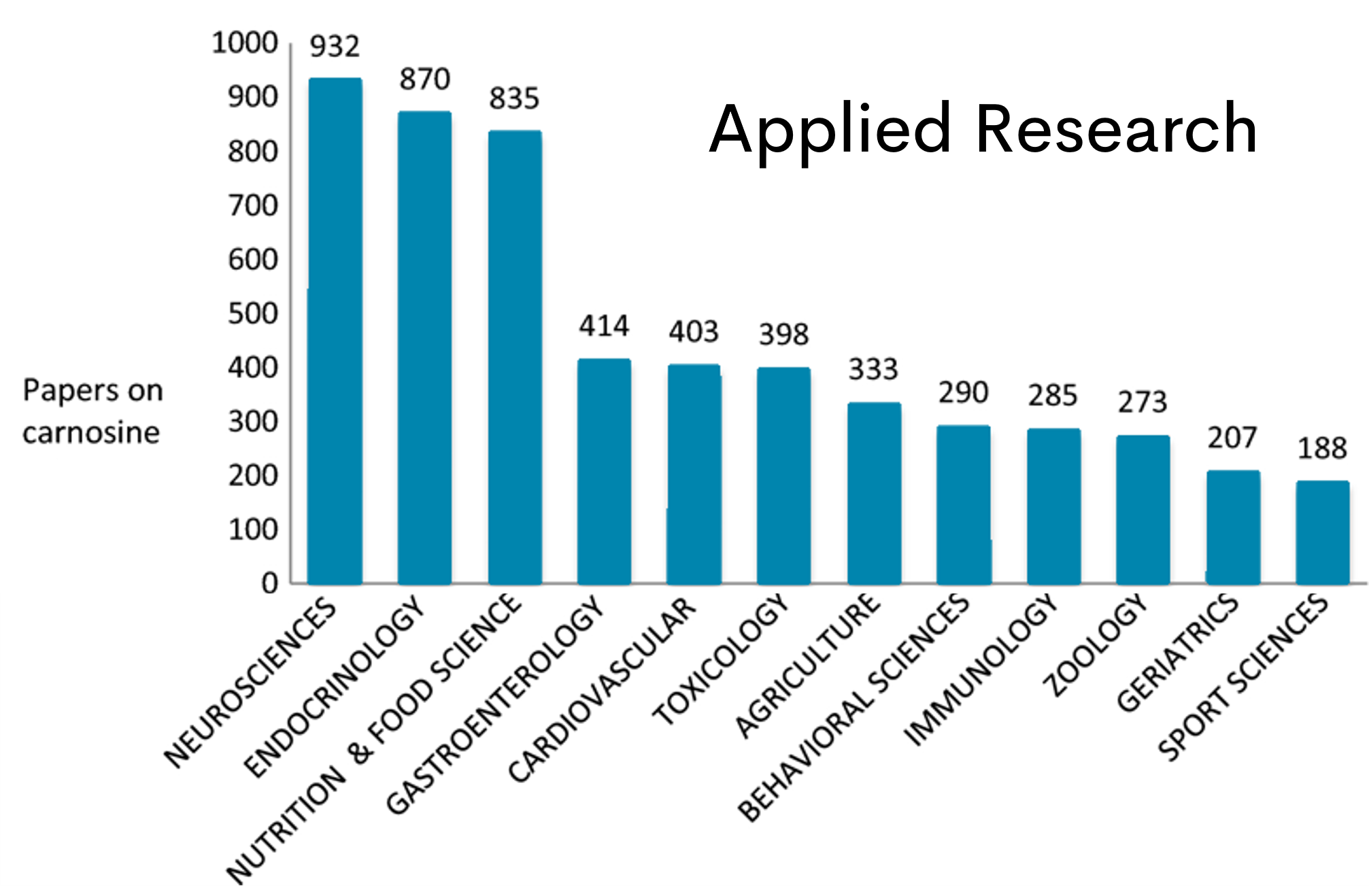
The scientific literature on carnosine is substantial, with more than 3,000 publications spanning biochemistry, physiology, nutrition, and related fields. Research has explored its potential relevance to muscle physiology, neurological function, and metabolic health.
The Multifunctionality of Carnosine
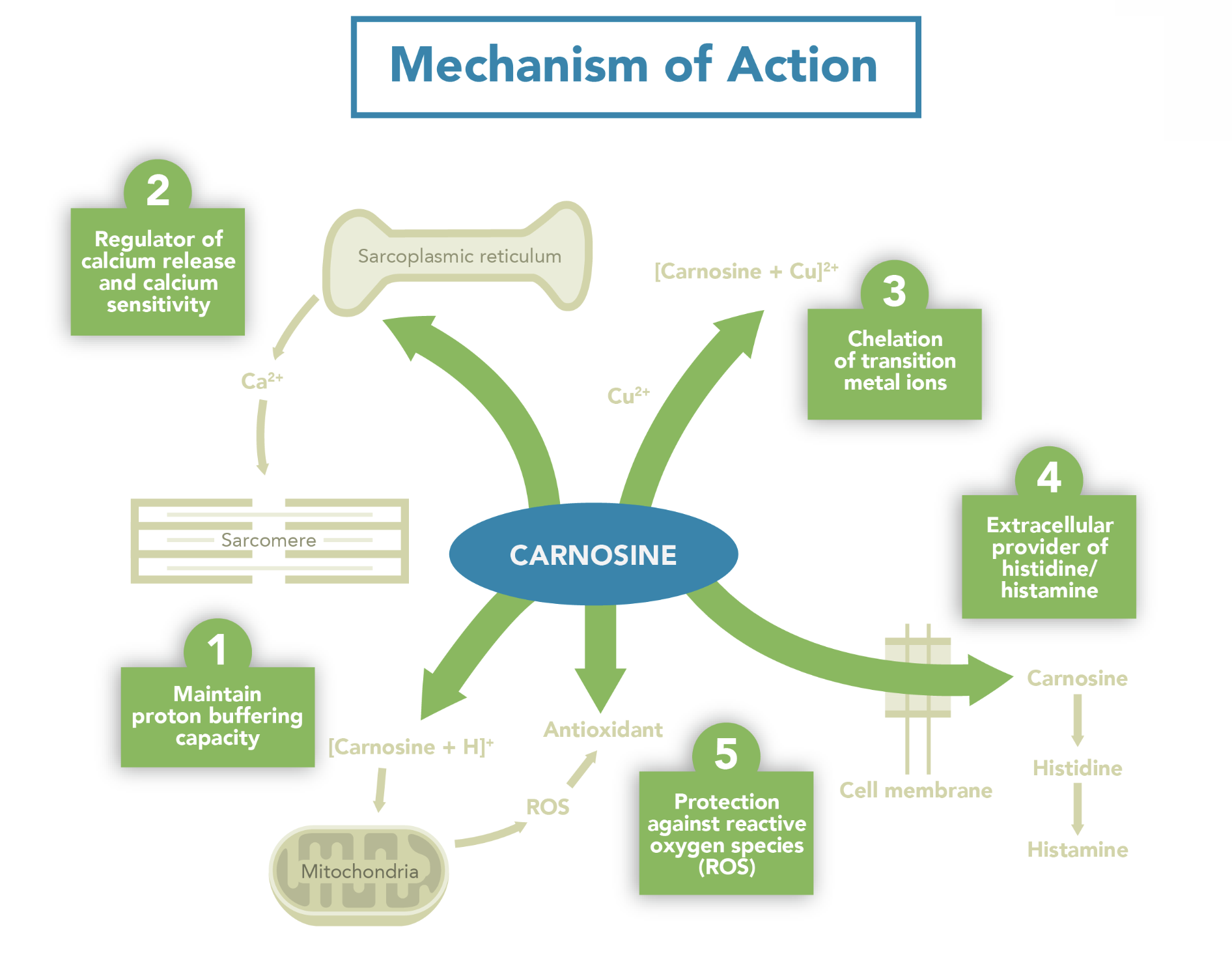
Carnosine is a multifunctional dipeptide involved in several physiological processes, including acid–base buffering, antioxidant defense, and the binding of reactive carbonyl species generated through oxidative metabolism.
These properties have led to research interest in its role in biological pathways associated with oxidative stress and glycation. In experimental and clinical research contexts, carnosine has been studied for its involvement in cellular protection mechanisms relevant to aging and metabolic stress.
Carnosine is also present in both muscle and neural tissues, where it may contribute to the relationship between physical performance and cognitive function through shared metabolic pathways such as energy regulation and oxidative balance.
Additionally, carnosine can interact with reactive carbonyl species (RCS) and may help reduce the formation of advanced glycation end products (AGEs) under experimental conditions. These biochemical properties have made it a subject of investigation in areas such as metabolic health, neurology, and cardiovascular biology. They are also being explored for their potential relevance to conditions such as type 2 diabetes, cardiovascular disease, and neurodegenerative disorders.