Muscle Quality—A New Opportunity in Healthy Aging
Brain hacking. Mood support. Caffeine-free mental energy. The rise of Alzheimer’s and dementia. There are many trends in wellness and disease prevention that have turned consumers toward the importance of their cognitive health. With a long-established relationship between caffeine and beverage, it’s natural that brain health support ingredients would be sought after in a supplement drink. Key opportunities for beverage brands are found in understanding consumer purchase drivers and how to keep them coming back. This can be met through the right ingredients — ones that not only solve for consumer need-states, but also offer the kind of co-formulations they are looking for.
The Functional Beverage Consumer
Functional beverage consumers are specifically seeking cognitive health — 38% of them, according to Nextin Research. They’re 1.79 times more likely to be influenced by brain benefits than the general market. This consumer is very socially active, and their focus on their health makes them ingredient aware. But they can look very different. From the sleep-deprived college student to the aging retiree, the busy parent and the busy professional, these submarkets can often prefer different ingredient flavors, formulations, and even formats. For example, a dorm student may want a flavorful, bubbly beverage in grab-and-go convenience, while older consumers might seek simplified packaging that can be included in established rituals. Whichever markets a brand wants to reach, it’s not lacking for opportunity. Where brands can stand out on shelf, though, is in meeting their market need-states with a co-formulation approach.
Common Cognitive Health Need States
Cognitive health supplement drink consumers are seeking specific benefits. Brands need to bring formulations to market that support mental energy, mood, and memory to both meet rising consumer needs and stand out in a crowded market.
Mental Energy
Mental energy can be tricky to define. It’s considered a general mood-state, namely how willing or able a person is to perform cognitive work. Mental energy is also measured clinically for awareness, attention, and decision reaction times. Caffeine is one well-used beverage ingredient, as are B vitamins and minerals like iron and zinc. Adaptogens are a major trending topic in mental energy, like adaptogenic mushrooms — though beverage formulation is often difficult.
Mood Support
Demanding schedules keep us awake longer hours and away from social activities and hobbies more often, two big impacts on our general mood. While lifestyle choices are important, consumers are also supplementing with ingredients that boost mood, help create inner calm, and improve sleep. S-adenosyl-L-methionine (SAMe) for mood boost, magnesium for sleep, and L-theanine for stress relief are popular formulations.
Memory
Between growing fears around Alzheimer’s and negative social media impacts, consumer concerns with memory have grown vastly. No supplements will prevent or cure any of these diseases, but they can help consumers improve areas of the brain responsible for memory, particularly aging consumers. Ingredients like omega-3s, Vitamin D, and antioxidants are highly sought after for this need-state.
Formulating for Co-Benefits with TriBsyn® Beta-Alanine
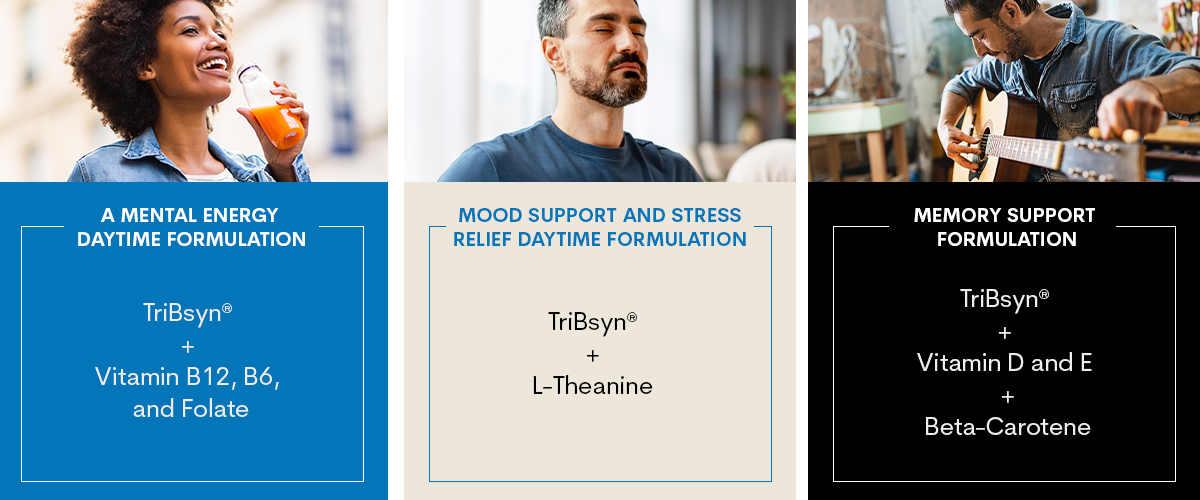
Cognitive health need states are often overlapping. Those looking for mental energy frequently look for mood support, for example. Ingredient formulations that address comprehensive brain health support can help improve trial and adoption behavior in consumers. TriBsyn® beta-alanine is one such emerging ingredient. Beta-alanine is the rate-limiting precursor to carnosine, which has been clinically studied for multiple cognitive health benefits. Carnosine has been shown to significantly improve tissue integrity in the areas of the brain responsible for memory, learning, and emotional processing. In another study, it was shown to balance mood and support minor depression in older adults. And in yet another, it demonstrated improved resistance to mental fatigue. Some opportunities for co-formulation with TriBsyn® beta-alanine include:
For more information about the power of TriBsyn® beta-alanine and co-formulation opportunities, contact our sales team today.
Sources:
https://pubmed.ncbi.nlm.nih.gov/18284031/
https://pmc.ncbi.nlm.nih.gov/articles/PMC7019700/
https://www.mayoclinic.org/drugs-supplements-same/art-20364924